
 Search


Key Takeaways
- Presbyopia, an age-related loss of near vision that commonly begins in your 40s, is the primary reason most adults need reading glasses.
- A reading glasses strength chart can help you estimate the magnification you need, but an eye exam is the best way to determine the right strength for your vision.
- The CareCredit credit card can help you pay for eye exams, prescription eyewear and other vision care expenses over time.*
Have you noticed that you’re starting to hold your phone farther away to read text messages? Or do you struggle to see a restaurant menu in low light? Like millions of Americans, you may be experiencing a common condition called presbyopia, in which the lens inside the eye becomes less flexible due to aging, reducing your ability to focus on objects close-up.1
Difficulty with close vision affects nearly 90% of U.S. adults over 45, leading many to turn to reading glasses for help with daily tasks.1 But what magnification do you need? Choosing the right reading glasses strength can help you read more comfortably and see clearly during everyday close-up tasks.
What Are the Symptoms of Needing Reading Glasses?
One of the most common early signs of presbyopia is needing brighter light to read. Other symptoms that may indicate you could benefit from reading glasses include:2
- Blurred vision when reading at a distance of 14 to 16 inches
- Blurred vision when reading fine print
- Having to hold objects such as phones or books farther away to see clearly
- Eye strain when doing close-up tasks
- Headaches after reading or doing computer work
- Eye fatigue or soreness
- Having difficulty focusing between near and far objects
What Is the Average Age for Reading Glasses?
Subtle signs of presbyopia often show up when you’re in your early to mid-40s. Many people begin using reading glasses between the ages of 45 and 50 and gradually increase lens strength over time. After age 65, vision changes typically stabilize.3
What Does Reading Glasses Strength Mean?
Reading glasses strength, measured in diopters and indicated by a plus sign (+), refers to the level of magnification provided by the lens. Diopters typically run from +1.00 to +3.00, increasing in strength by increments of 0.25. The higher the number, the greater the magnification.4
Reading glasses with a +1.00 diopter offer mild magnification, +2.00 provides moderate magnification and +3.00 is a strong magnification intended to address significant presbyopia.4
How Do I Know What Strength Reading Glasses to Get?
If you suspect you’re a candidate for reading glasses, your next question is likely “What strength readers do I need?” Using reading glasses that are too strong or too weak may cause headaches, eye strain, dizziness or difficulty focusing. The ideal strength depends on your age, vision, preferred reading distance and whether you have other underlying vision conditions.5
Use a reading glasses strength chart
A good place to start is by reviewing the typical magnification by age.2
| Age range | Typical reading glasses strength (diopter) |
|---|---|
| 40 to 44 | +1.00 |
| 45 to 49 | +1.25 to +1.50 |
| 50 to 57 | +1.75 to +2.00 |
| 58 or older | +2.25 or more |
Note that an age-based chart should only be used as a general guide. Individual vision needs vary, so it can be helpful to compare different strengths in person or use a simple at-home reading test to estimate the magnification you need.
Can I test my eyes online for reading glasses?
At home, you can download a printable diopter chart, which has rows of text in varying sizes that correspond to a diopter strength. Hold the chart 14 inches from your eyes. The smallest line you can read with clarity provides an estimate of the strength you need.5
Many eyeglass retailers also offer online tools or tests that help determine reading glasses strength. Keep in mind that these home tests are not precise, can’t diagnose complex eye conditions or diseases, and are not a substitute for a complete eye exam by a professional.5
Can I do a reading glasses test in person?
Many drugstores and optical shops have displays that allow shoppers to try different reading glasses strengths before purchasing. When testing readers in a store, start by holding reading material at your normal reading distance. Look for a pair that allows you to read comfortably and clearly without squinting, straining or holding the material farther away. Choose the lowest strength that still provides clear vision and avoid selecting a magnification that’s too strong for your eyes.3
When should I consult an eye care professional?
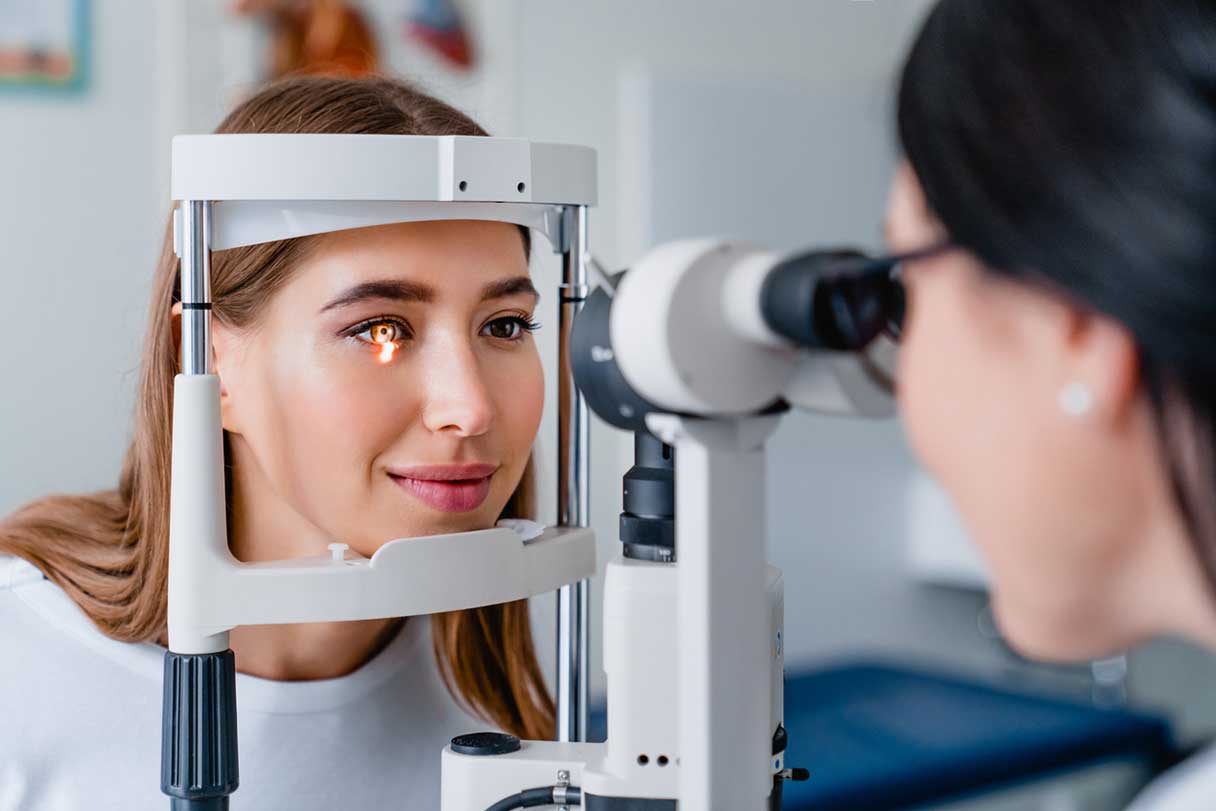
A complete eye exam will provide the most accurate recommendation for reading glasses strength. You should consider a comprehensive exam particularly if you have other vision conditions such as astigmatism, cataracts or glaucoma, or if you already wear corrective contacts or glasses. Your eye doctor can provide you with a personalized care plan and the correct prescription.4
Over-the-Counter Reading Glasses vs. Prescription Reading Glasses
Whether over-the-counter (OTC) or prescription reading glasses are right for you depends on your vision needs. While many people can address their presbyopia with OTC readers, others may require customized prescription lenses to achieve clear vision.
When to get over-the-counter reading glasses
OTC reading glasses could work for you if both your eyes are approximately the same prescription and you don’t have astigmatism or other vision issues that require corrective lenses. OTC readers may also be a suitable option if you have good distance vision, no other eye health concerns and only need reading glasses for occasional tasks.3
While OTC reading glasses are widely available and relatively inexpensive, the one-size-fits-all approach may not work for everyone.3
When to get a reading glasses prescription
Prescription reading glasses may be a better option if you have a different correction for each eye, you have astigmatism or you already wear glasses or contact lenses for distance. Customized reading glasses might also be a better fit if you get headaches with OTC readers or have other health conditions that affect your vision.3
If you already wear corrective contact lenses or glasses, your eye care professional may recommend alternatives to improve your close vision. Reading glasses worn over your contacts is one option, as well as switching to bifocal, trifocal or progressive eyeglasses, or multifocal contact lenses, which provide vision correction for both near and far distances.2
A complete exam with your eye doctor is important, beyond just prescribing the right magnification for reading glasses. Regular exams can identify eye health problems that become more common after 40, such as cataracts, macular degeneration, glaucoma and diabetes, and allow your doctor to recommend an effective treatment plan when detected early.3
How Often Does Reading Glasses Strength Change?
Presbyopia generally progresses slowly, and most adults in their 40s and 50s find they need stronger reading glasses every two to three years.2
Signs you may need to update your readers include if you start holding reading materials farther away again, tilting your head to read or experiencing eye strain such as tired, sore eyes. Other indicators include blurry text, headaches while reading and an inability to see clearly in dim light.5
Test a new lens strength if you have OTC reading glasses or tell your eye doctor about your symptoms.
Tips for Picking the Best Reading Glasses for You
Selecting the right lens strength is important, but comfort, fit and lifestyle needs also play a role in choosing reading glasses you’ll enjoy wearing.
How should glasses fit?
As a rule of thumb, your reading glasses should:6
- Extend slightly beyond your cheekbones without squeezing your temples.
- Allow no more than one finger’s width between the frame and your face.
- Rest comfortably over your ears without slipping.
- Sit securely on the bridge of your nose without pinching or sliding down.
Align readers with your lifestyle
Lens enhancements and specialty readers can help make your glasses more comfortable for specific activities and environments.
For example, antireflective coatings may help reduce glare and eye fatigue caused by screens, night driving and fluorescent lighting.6
If you frequently read or work outdoors, ask your eye care professional about photochromic lenses, which automatically darken when exposed to sunlight and can help reduce glare.2
And people who spend six or more hours per day using computers may also benefit from computer readers, which are specifically designed for screens positioned about 20 to 26 inches away from your eyes.3
Choosing Reading Glasses With Confidence
The right reading glasses can make everyday activities safer and more comfortable, whether you’re reading a book, checking your phone or working on a computer. While OTC readers work well for many people, prescription lenses may provide clearer vision and a better overall experience if you have astigmatism, different vision needs in each eye or other underlying eye conditions. When in doubt, a comprehensive eye exam can help ensure you’re choosing the lens strength and eyewear solution that’s best suited to your vision needs.
Frequently Asked Questions About Reading Glasses Strength
Still have questions about reading glasses and lens strength? Here are answers to some frequently asked questions.

Financing Eyewear With the CareCredit Credit Card
Whether you’re purchasing stylish new frames, getting contacts or due for an eye exam, the CareCredit credit card can help you pay for care where your insurance leaves off.* Use our Acceptance Locator to find a vision specialist near you that accepts CareCredit so you can see all that life has to offer. Continue your wellness journey by downloading the CareCredit Mobile App to manage your account, find a provider on the go and easily access the Well U blog for more great articles, podcasts and videos.
In addition to vision care, you can also use your CareCredit credit card for dentistry, cosmetic, pet care, hearing, health systems, dermatology, pharmacy purchases, spa treatments and so much more within the CareCredit network. How will you invest in your health and wellness next?
Author Bio
Anne-Marie Kennedy is a freelance writer with more than 20 years of experience covering health and wellness, personal finance and real estate/investing.

Related Tags
Want to share this on social media?





 ARTICLE