 Search

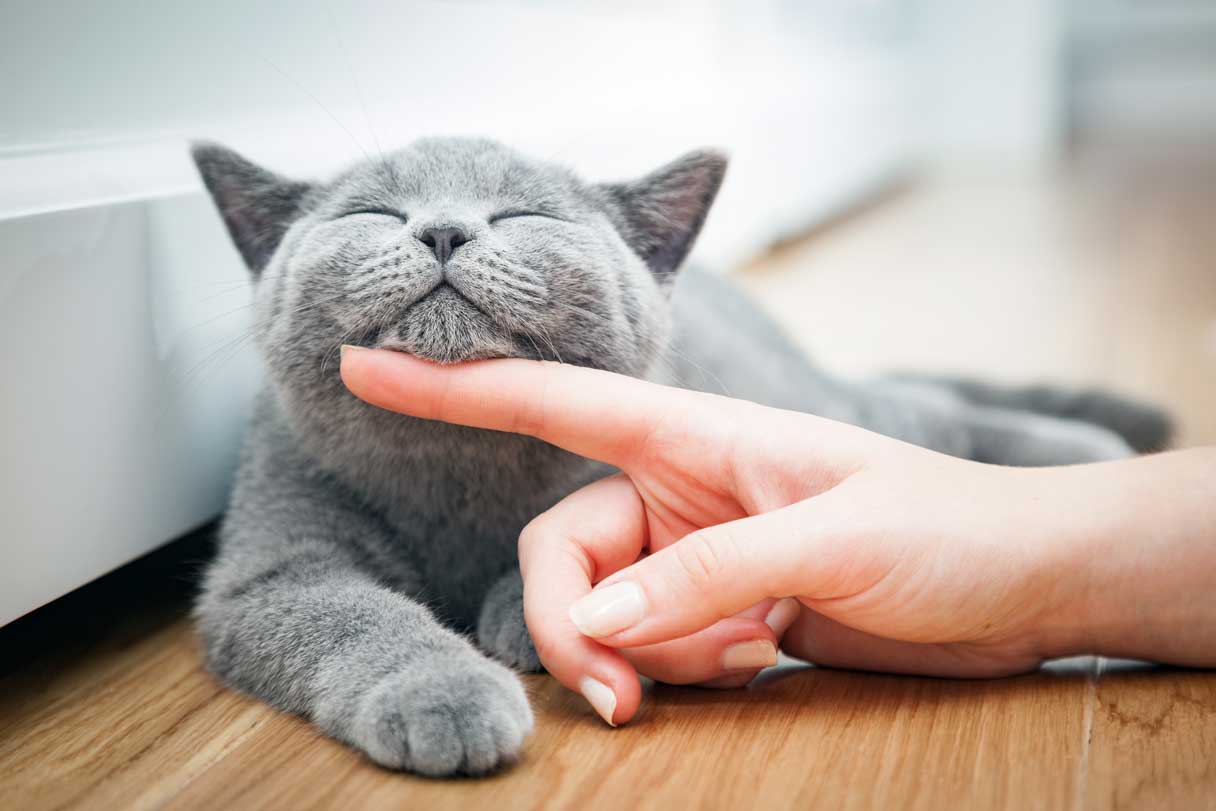
There’s nothing quite like the joy of a purring kitty in your lap. But have you ever thought about why cats purr? Long thought to be a sign of a contented kitty, purring can actually benefit cats in a number of ways.1
How Do Cats Purr?
Purring is a rhythmic, vibratory sound that emanates from a cat’s larynx and diaphragm.2 Purring starts in the brain, where a neural oscillator sends signals to the larynx and causes the vocal cords to vibrate at a frequency of 25 to 150 vibrations per second. Combined with a cat’s inhalations and exhalations, it produces a constant purring sound as they breathe.3
As a form of communication, cats can alter the tone and pitch of their purrs to help convey their state of mind.4
Common Reasons Your Cat May Be Purring
Here are six reasons why your kitty purrs and what they could mean.
1. Contentment and relaxation
One of the most common reasons cats purr is to let you know that they feel relaxed and content to be near you. When cats are comfortable and happy, they may purr loudly, and it may also be accompanied by "making biscuits," or kneading their paws.2
2. Communication
Purring is a form of communication for cats. They may purr at other cats as a sign of acceptance or a desire to play. Nursing mother cats also purr to help their newborn kittens — blind and deaf when they're born — find her and know it’s safe to nuzzle up and feed.1
3. Self-soothing and stress relief
For cats, purring is also a self-soothing mechanism that can help calm them when they’re stressed.1 This could be a way for them to release tension, and it may be accompanied by other signs of stress, such as tense posture or trembling legs.5
4. Healing and pain relief
Purring isn’t always a sign that things are well with your kitty. It can also indicate that they’re in pain. Because purring can help cats self-soothe and also alleviate pain, it’s not unusual for hurting cats to purr.1 When this is the case, they may show other signs of pain, which could include withdrawing and hiding, unusual body posture or aggression.5
5. Asking for food or attention
Cats also use purring as a means of asking for what they want. They have a specific, high-pitched purr reserved for humans when they want food or attention. This may be a holdover from kittenhood, when they would purr to get their mother’s attention.1
6. Regulating breathing and sleep
Purring helps cats regulate their breathing, creating a calm breathing rate that helps them rest and can also lull them to sleep.1
When Do Cats Purr?
Cats commonly purr when they’re in situations that make them feel safe and relaxed, such as when they’re curled up in your lap, getting petted or falling asleep.2 They might also purr while rubbing against your leg or while staring at you, which is usually a sign that they want food or attention.3 But cats may also purr in stressful situations, such as during a trip to the vet or when they’re sick or injured.6
Solicitation purring tends to be more high-pitched than relaxed purring.1 Also, the volume is usually louder when your kitty’s feelings are intense, whether good or bad.2
What Does Purring Mean for Cat Owners?
Context is often the biggest clue as to the meaning of your cat’s purrs. If the purring is normal and there’s no reason for your kitty to be stressed, then all is probably well. But unusual purring, or intense purring that’s accompanied by changes of behavior or signs of stress or pain, may be cause for concern.
You might want to check your kitty and keep a close watch on them to see if they can give you other clues as to their emotional state. Generally speaking, any sudden changes in your cat’s behavior should prompt a call to your vet for guidance.5
Do Other Animals Also Purr?
Domestic cats aren’t the only animals that purr. Smaller wild cats, like cheetahs and bobcats, also purr. However, big cats like lions and tigers are missing a component in the larynx known as a hyoid bone that makes purring possible. This is because their larynxes are designed to roar instead.7
Guinea pigs also make a purring sound when they’re happy. It’s not exactly like a cat’s purring, but it is somewhere between that and a low rumble.8
Should You Encourage Your Cat to Purr?
Since purring is beneficial to your cat, it should be encouraged as much as possible. Here are a few tips to help elicit more happy purrs from your kitty:
- Pay attention to your cat and what’s going on in their environment when they purr. Taking note of their body language, what they’re doing and what they may be responding to can help you learn the subtle nuances of your kitty’s purrs so you can respond to negative purring and help encourage positive purring.9
- When purring is positive, keep doing what seems to be causing it. If your kitty is purring in response to petting, keep petting them, and if they’re purring in their sleep, try not to disturb them.2
- If you can, remain close to your cat when they’re purring. Their purring has benefits for you as well, and your reassuring presence will help your kitty feel safe and relaxed.2
More Fascinating Facts About Cat Purring
Purring can be much more than an expression of contentment. Here are some fascinating ways that purring can benefit both kitties and humans:
- Studies have shown that purring actually has healing benefits for cats. The 20 to 150 Hertz vibrational frequency of purring has been shown to stimulate tissue regeneration, improve damaged muscles and joint tendons and promote bone density.1
- Purring not only has physical and emotional benefits for cats, but it also has health benefits for humans. The healing frequencies of a cat’s purr have been shown to lower blood pressure, reduce stress, lower the risk of heart disease and even aid the healing of musculoskeletal injuries.2
- It’s a common misconception that a purring cat is a happy cat. As we’ve seen, purring is also a way for stressed, sick or injured cats to self-soothe and even heal themselves.10
Understanding Your Cat to Strengthen Your Bond
Happiness and contentment are only a couple of reasons why cats purr. Purring is a vital cat behavior that aids your well-being as much as theirs. Understanding everything your cat’s purrs might be trying to tell you so that you can respond appropriately will help both you and your kitty enjoy the special bond you have together.
CareCredit Credit Card Financing for Cats
The CareCredit credit card is an easy way to pay for your cat’s annual checkups, food and products at veterinary practices in the CareCredit network.* Use our Acceptance Locator to find a veterinarian near you that accepts CareCredit to help keep your pet healthy and happy for a lifetime of love. CareCredit is there for you and your pet every step of the way; continue your wellness journey by downloading the CareCredit Mobile App to manage your account, find a provider on the go and easily access the Well U blog for more great articles, podcasts and videos.
In addition to pet care, you can also use your CareCredit credit card for dentistry, cosmetic, vision, hearing, health systems, dermatology, pharmacy purchases, spa treatments and so much more within the CareCredit network. How will you invest in your health and wellness next?
Author Bio
Jean Marie Bauhaus is a freelance writer and novelist who has been writing pet content since 2013. Her work has appeared on Forbes.com, Hill's Pet, Chewy, AKC.org and more.

Related Tags
Want to share this on social media?





 ARTICLE