 Search

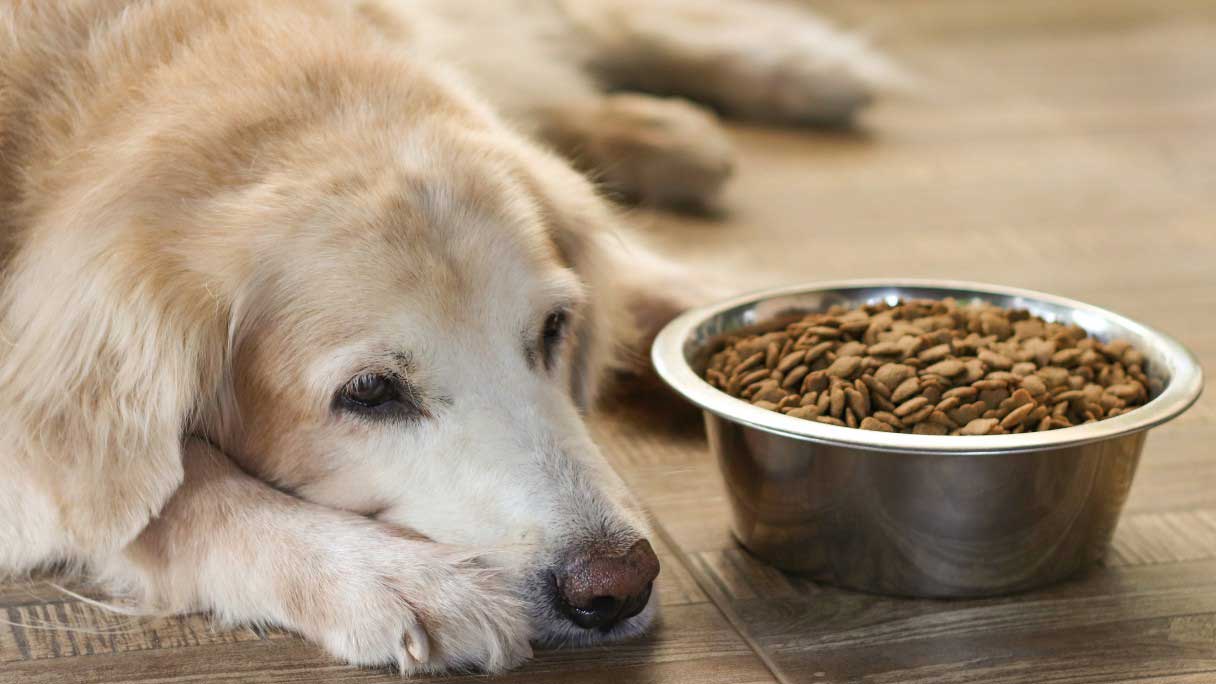
Dogs eat all kinds of things they shouldn’t, from corncobs they find in the trash to clothes left on the floor. Many times, these items pass through a dog’s gastrointestinal (GI) tract without incident, but if an item is too large, it can cause an intestinal blockage. When a foreign item lodges in a dog’s intestinal tract, the tube-like structure becomes obstructed, causing a life-threatening emergency that requires immediate medical attention.
If your dog develops an intestinal obstruction, they will likely become sick fairly quickly. Affected dogs typically develop obvious signs of illness and are extremely uncomfortable. Here are 10 signs to watch for.
1. Vomiting
If your dog’s intestinal tract becomes blocked, they will be unable to pass food, causing them to vomit any contents remaining in the stomach or intestines. Intestinal obstruction also causes nausea, often characterized by increased salivation. You may notice your dog swallowing more frequently or drooling.
2. Lack of Feces
Since food contents are unable to pass beyond the portion of the intestine that is blocked, dogs with a GI obstruction often stop passing feces. Vomiting with a lack of feces should always raise suspicion of a possible intestinal blockage.
3. Diarrhea
If the foreign object only partially blocks your dog’s intestinal tract, you may notice passage of a small amount of feces, which will likely be looser than normal.
4. Lethargy
Affected dogs typically have little energy due to discomfort, dehydration and general illness. You may notice that your dog sleeps more than normal, is less active or doesn’t have enough energy to stand up.
5. Abdominal Pain
When the GI tract becomes blocked, pressure is placed on the intestinal wall, which causes pain and discomfort. Gas may also build up in the intestines, distending them, which is also painful.
Signs your dog is experiencing abdominal pain may include:
- Arched the back when standing
- Curling into a ball when lying down
- Difficulty getting comfortable
- Reacting with irritability or aggression when the abdomen is touched
- Restlessness
- Whining or crying
6. Bloating
Intestinal bacteria continually produce gas, which is normally passed along the intestinal tract. If your dog’s intestine is blocked, the gas may build up, causing the abdomen to appear bloated.
7. Lack of Appetite
Nausea and discomfort typically lead to a loss of appetite in affected dogs. You may notice that your dog turns their head or acts nauseous (i.e., salivating, swallowing) when you offer them food.
8. Dehydration
Vomiting and decreased water intake can quickly lead to dehydration in dogs with an intestinal blockage. Signs of dehydration in dogs include:
- Lethargy
- Pale, tacky gums
- Sunken eyes
One way of assessing dehydration is to pinch the skin over your dog’s back between your fingers, forming a “skin tent.” If the skin remains tented when you let go, or slowly returns to normal (versus quickly returning), your dog is likely dehydrated.
9. Fever
A GI blockage can cause inflammation and secondary infection, which can cause a fever to develop. In severe cases, a GI obstruction can cause a hole, or perforation, to form in the intestinal wall. Intestinal contents and bacteria can then leak out into the abdomen, causing peritonitis, or an infection within the abdominal cavity.
10. Weight Loss
Although a lack of nutrition from vomiting and not eating may cause your dog to lose weight, a complete intestinal blockage will likely cause serious illness before significant weight loss occurs. However, a partial obstruction — such as from a smaller object that becomes lodged or a tube-like object that allows some passage of food — can persist for weeks or even months, leading to gradual weight loss over time.
What to Do if You Suspect Your Dog Has an Intestinal Blockage
If your dog has signs of an intestinal blockage, and especially if you know they ate something they shouldn’t have, have them evaluated by a veterinarian immediately. Your family veterinarian should be able to perform an exam and take abdominal X-rays to look for a blockage. However, if your dog becomes sick when your vet is unavailable, don’t wait — take them to the nearest emergency veterinary hospital as soon as possible. An intestinal blockage is a life-threatening medical emergency, and the sooner your dog is treated, the better their chances of recovery.
Intestinal Blockage Treatment Options
In most cases, an intestinal blockage requires emergency surgery to remove the foreign object. If the object is small and not causing a blockage, your veterinarian may recommend waiting to see if it passes on its own; however, a complete blockage requires immediate action.
Surgical overview
Surgery may be performed by your family veterinarian, or your vet may refer you to an emergency or specialty hospital. The surgery can become complicated if the abdominal wall is perforated and/or peritonitis has developed. Therefore, some veterinarians would rather the surgery be performed by a board-certified veterinary surgeon in a specialty hospital with more advanced tools and resources and specially trained support staff.
During surgery, the intestine will be cut open at the location of the blockage and the foreign object removed. In some cases, the surrounding intestinal tissue may be dead or damaged due to a lack of blood flow from the pressure placed by the lodged object. In this case, a portion of the intestine may also need to be surgically removed.
Help Prevent an Intestinal Blockage in Your Dog
Intestinal blockages often occur when dogs eat objects they find around the house or yard. Unfortunately, this can happen when you aren’t looking, leading to a dangerous situation and an expensive surgery.
Here are some tips to prevent your dog from ingesting something that could lead to a blockage:
- Be sure to keep small objects, such as kids’ toys, off the floor and furniture.
- Don’t give your dog bones or toys that they can swallow.
- If your dog is known to eat things they find on the ground, consider using a basket muzzle on walks.
- Keep items used around food — plastic wrap, aluminum foil, silverware — out of reach.
- Keep laundry contained and out of reach.
- Limit access to areas with potentially tempting objects, such as rocks, mulch and compost piles.
- Make sure trash cans are covered and out of reach.
- Supervise your dog outside, especially in unknown areas.
Knowing the Signs Can Save Your Dog’s Life
An intestinal blockage can quickly lead to a serious, life-threatening situation. Watch your dog closely and take care to prevent them from eating things they shouldn’t. However, if your dog does develop a blockage, knowing the signs to watch for and how to react can save their life.
Frequently Asked Questions About Intestinal Blockage in Dogs
You may still have questions about intestinal blockage in dogs. Here are answers to some commonly asked questions about this topic.

Financing Intestinal Blockage Surgery With the CareCredit Credit Card
Your dog is your best friend, and you want to make sure they get the very best. That’s why the CareCredit credit card is here to help you manage the costs of diagnostics and treatment for conditions like intestinal blockages.* Use our Acceptance Locator to find a veterinarian near you that accepts CareCredit. CareCredit is there for you and your pet every step of the way; continue your wellness journey by downloading the CareCredit Mobile App to manage your account, find a provider on the go and easily access the Well U blog for more great articles, podcasts and videos.
In addition to pet care, you can also use your CareCredit credit card for dentistry, cosmetic, vision, hearing, health systems, dermatology, pharmacy purchases, spa treatments and so much more within the CareCredit network. How will you invest in your health and wellness next?
Author Bio
Angela Beal, D.V.M., has more than 20 years of experience as a veterinarian. Leveraging her background in private practice and academia, she uses her passion for writing to convey information to pet owners to help them keep their pets healthy and happy.

Related Tags
Want to share this on social media?





 ARTICLE