
 Search

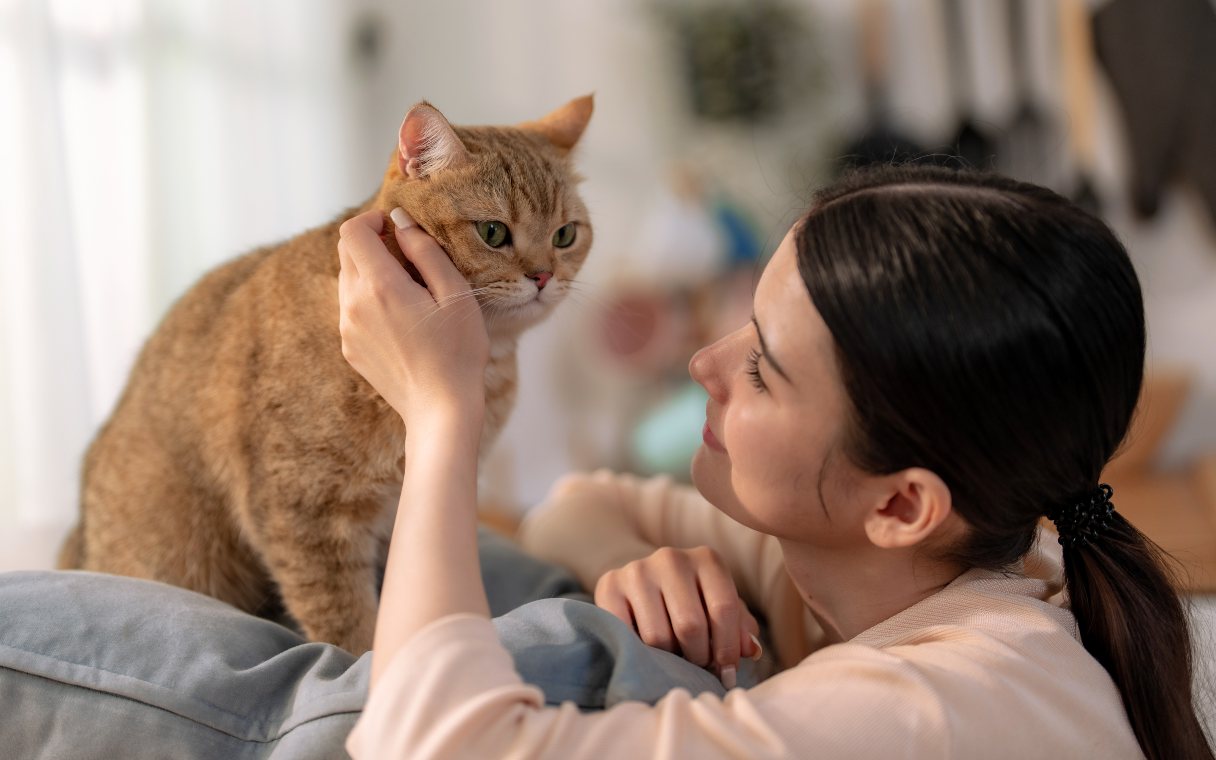
From chronic watery discharge to sudden swelling or cloudiness, eye problems in cats can range from subtle to dramatic, mild to severe. While many cat eye problems are minor and easily treatable, others can impact your cat’s vision or long-term comfort. Here’s a look at 10 common cat eye problems and how veterinarians typically treat them, so you know what to look for and when to call the vet for help.
1. Conjunctivitis
Conjunctivitis is inflammation of the conjunctiva, which is the transparent, pinkish tissue that lines the eyelids and covers the whites of the eyes. Conjunctivitis — also called pinkeye — causes redness, swelling (chemosis), squinting and watery or mucous-like discharge.
The most common cause of conjunctivitis in cats is feline herpesvirus (FHV-1), a lifelong infection that usually stays dormant (like cold sores in people) but can flare up during stress or illness. Other bacteria or viruses, irritants like dust or smoke and allergies can also cause conjunctivitis in cats.
Treatment
Treatment usually includes antiviral or antibiotic ointments or drops. Oral antiviral medications, lysine supplements and anti-inflammatory eyedrops may also sometimes help.
Removing dusty cat litter, chemical cleaners and air fresheners or oil diffusers can address conjunctivitis caused by an irritant. Flushing the eyes and applying lubricant regularly can also help sensitive cats with chronic eye problems.
2. Corneal Ulcers
A corneal ulcer is an open sore on the surface of the eye. Common causes in cats include chronic FHV-1 infection or trauma, such as a scratch from another cat in the house. Ulcers are painful and generally cause squinting, excessive tearing, redness or cloudiness. If an ulcer becomes infected, it can become so deep that the eye ruptures — a vision-threatening condition.
Treatment
Treatment for corneal ulcers starts with antibiotic eyedrops to prevent the ulcer from becoming infected as the body heals the injury. If herpesvirus is involved or suspected, antiviral medications may be added. Infected ulcers may require more intensive care with multiple drops, while very deep ulcers could require grafting surgery.
3. Corneal Sequestrum
Corneal sequestrum is a condition seen almost exclusively in cats. It occurs when a portion of the corneal tissue dies and turns dark brown or black. It can form on the corneal surface, causing discomfort, squinting and watery discharge, or deeper in the cornea, where your cat may not notice the problem.
While any cat can develop a corneal sequestrum, Persian, Himalayan and other short-faced (brachycephalic) cat breeds can be most susceptible. Like several other cat eye problems, this condition may be related to herpesvirus infection.
Treatment
The body may heal a small, superficial sequestrum as the damaged cells make their way to the surface and are replaced with new, healthy ones. However, sequestra don’t always heal. If a sequestrum is causing your cat pain, a veterinary ophthalmologist may recommend surgery to remove the affected part of the cornea. After treatment or surgery, managing future herpesvirus flares can help prevent this cat eye problem from returning.
4. Glaucoma
Glaucoma develops when fluid inside the eye doesn’t drain properly and builds up, causing increased intraocular pressure. Glaucoma causes pain and can lead to vision loss. Signs of glaucoma include redness, cloudiness, a dilated pupil, an enlarged or bulging eye and vision changes.
In cats, glaucoma is usually secondary to another eye condition, such as inflammation (uveitis), trauma or a tumor. Siamese cats may develop a hereditary form of glaucoma that affects both eyes.
Treatment
Treatment for secondary glaucoma focuses on lowering intraocular pressure, managing pain and resolving the underlying issue. Treatment often involves administering anti-glaucoma and anti-inflammatory eyedrops. If medications do not reduce pressure to the normal range, vision loss will result, and surgery may be recommended to remove the eye.
5. Cataracts
Cataracts are cloudy, hardened areas in the eye’s normally clear lens that interfere with vision. In dogs, cataracts may be hereditary or due to diabetes. Cataracts in cats, however, are often secondary to trauma, inflammation or malnutrition.
Some cataracts progress slowly and may not impair vision enough to slow your cat down, while others can lead to complete blindness. You might notice an opaque, cloudy or bluish haze to your cat’s pupil or them bumping into objects, which may indicate vision loss.
Treatment
There is no medical treatment to reverse cataracts in cats. When cataracts cause significant vision loss and affect quality of life, a veterinary ophthalmologist may perform surgery to remove the damaged lens (phacoemulsification) and replace it with an artificial lens. If surgery isn’t an option, your vet may recommend monitoring the cataracts and using anti-inflammatory drops to prevent cataract-related inflammation.
6. Uveitis
Uveitis is inflammation inside the eye — usually in the front portion (anterior uveitis). Symptoms in cats include squinting, redness, cloudiness, light sensitivity and tearing. Common causes of uveitis in cats are systemic infections (such as toxoplasmosis or feline immunodeficiency virus), cancer, trauma and immune-mediated disease. Uveitis can lead to other eye health concerns, such as glaucoma.
Treatment
Treatment for uveitis in cats starts with anti-inflammatory eyedrops and an investigation into the underlying cause. This usually requires blood tests to screen for infections and sometimes X-rays to check for tumors. If no cause can be identified, steroid medications may be used to help reduce inflammation.
7. Entropion
Entropion can be a common eyelid deformity in dogs, but it can also occur in some cats. The condition causes the lower eyelids to roll inward, where the eyelashes can rub the eye’s surface, leading to ulcers or scars. Symptoms include watery tearing, squinting and redness. Most cats with entropion are born with the condition or have another eyelid disorder that contributes to it. Maine coon cats are more likely than other breeds to develop entropion.
Treatment
Most cats with entropion require surgery to correct the eyelid’s position. In young kittens who are not mature enough for a permanent surgery, a temporary tacking procedure can protect the eye for a short time.
8. Eye Trauma
Accidents and altercations with other animals can lead to eye injuries in cats. Trauma may include scratches, punctures, blunt force or foreign objects entering the eye. Signs of injury can range from squinting and redness to bleeding, swelling, eyelid lacerations or eye rupture. Because cats tend to hide pain, any sudden change in eye appearance or behavior should be treated as an emergency.
Treatment
Treatment for eye trauma depends on the type and severity of the cat’s injury. Topical or oral antibiotics, pain relievers and anti-inflammatory medications may help with minor injuries, although vision loss and complications can develop days or weeks later. Close monitoring is required to assess any new symptoms.
Some cats with eye trauma need surgery to repair damaged structures or, if the damage is too great, to remove the eye. A primary or emergency veterinarian dealing with a cat eye emergency may refer you to a veterinary ophthalmologist.
9. Blocked Tear Ducts
Blocked tear ducts (nasolacrimal ducts) can prevent tears from draining properly, causing them to spill onto the face. Sometimes, a lump may develop near the inner corner of the eye. In brachycephalic breeds with large eyes, the duct openings can be flattened or stretched by the cat’s face shape. Infection, inflammation and congenital anomalies can also cause abnormal tear drainage.
Treatment
A veterinarian can flush the tear ducts with a saline solution, which may require sedation, to diagnose or sometimes treat the problem. Antibiotics can help with an infectious cause, and a procedure can sometimes help enlarge small or closed duct openings. If the cause isn’t curable, treatment focuses on keeping the cat’s eyes comfortable and clean.
10. Eye Tumors
Eye tumors in cats can develop in or around the eye and may be benign or malignant. A common form of eye cancer in cats is called diffuse iris melanoma. It starts as a brown color change and can progress, usually slowly over several years, to block drainage in the eye and cause glaucoma. Rarely, iris melanoma can spread (metastasize). Other tumors may develop on the eyelids or conjunctiva, or in the bony socket behind the eye.
Treatment
Treatment for eye tumors in cats depends on the tumor’s type and behavior. Melanoma is often slow to progress and usually requires monitoring over time, but may eventually necessitate eye removal. A biopsy or imaging test can help diagnose an eye tumor and determine the best course of action.
Managing Your Cat’s Eye Health
Your cat’s eyes are vital to their comfort and well-being. Recognizing the signs of common cat eye problems and knowing when to seek veterinary care can help preserve your cat’s vision and prevent long-term complications. Whether your cat has mild irritation or a more serious issue, prompt diagnosis and treatment for cat eye issues can help keep your feline friend healthy and happy for years to come.
CareCredit Credit Card Financing for Cats
The CareCredit credit card is an easy way to pay for your cat’s annual checkups, food and products at veterinary practices in the CareCredit network.* Use our Acceptance Locator to find a veterinarian near you that accepts CareCredit to help keep your pet healthy and happy for a lifetime of love. CareCredit is there for you and your pet every step of the way; continue your wellness journey by downloading the CareCredit Mobile App to manage your account, find a provider on the go and easily access the Well U blog for more great articles, podcasts and videos.
In addition to pet care, you can also use your CareCredit credit card for dentistry, cosmetic, vision, hearing, health systems, dermatology, pharmacy purchases, spa treatments and so much more within the CareCredit network. How will you invest in your health and wellness next?
Author Bio
Angela Beal, D.V.M., has more than 20 years of experience as a veterinarian. Leveraging her background in private practice and academia, she uses her passion for writing to convey information to pet owners to help them keep their pets healthy and happy.

Related Tags
Want to share this on social media?





 ARTICLE