
 Search
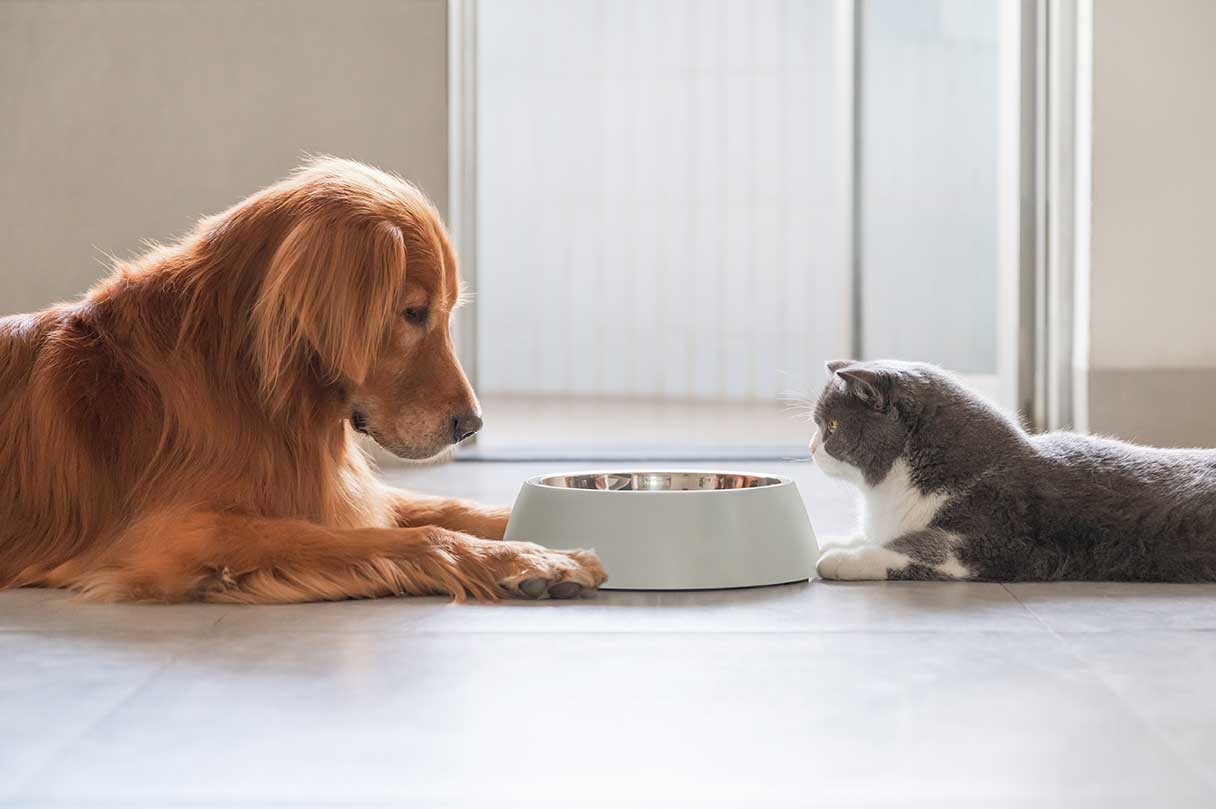
An intestinal blockage is a common reason for surgery in dogs and cats. If you have a puppy, kitten or a breed notorious for eating things they shouldn’t, such as a Labrador retriever, this condition is an ongoing concern. Since an intestinal blockage can quickly become life-threatening, treatment is often intensive and costly.
Knowing what what may be next can help you prepare, so we’ve outlined the treatment options and costs below.
Intestinal Blockage Treatment Options
An intestinal blockage in a dog or cat often requires emergency surgery to remove the lodged object. However, in some cases, endoscopy can be used to retrieve a foreign body.
Endoscopy
An endoscope is a long, flexible tube with a light and a camera on one end. If a small foreign object is located in a pet’s stomach or the first part of their small intestine, it may be possible to remove it using an endoscope instead of performing surgery.
In this procedure, your dog or cat will be placed under general anesthesia. The endoscope will be passed through your pet’s mouth, down their esophagus and into their stomach or small intestine. The endoscope camera will be used to locate the object, and a special instrument with grasping forceps can be inserted to grab the object and pull it out through your pet’s mouth.
This option is preferred when possible, as it is less invasive than surgery. It can also be significantly less costly, since pets can often go home the same day.
Enterotomy
Most cases of intestinal blockage require an enterotomy, which is a surgical procedure that involves cutting into the intestine to remove the object. During this procedure, your pet will be placed under general anesthesia. Their abdomen will be opened, allowing your veterinarian to examine the entire digestive tract and locate the blockage. When the site is identified, they will make an incision in the intestinal wall and remove the source of the blockage.
Your veterinarian will also assess the nearby intestinal tissue, which may be damaged due to pressure from the blockage. If any damaged tissue is identified, your vet may perform an intestinal resection and anastomosis, which involves removing the section of damaged intestine and reattaching the healthy sections. An enterotomy or resection and anastomosis procedure will require a longer recovery time than endoscopy, and often involves several days of hospitalization.
Cat and Dog Intestinal Blockage Surgery Costs
If your dog’s blockage is caught early enough — before severe blockage or tissue damage — the surgery to remove the ingested object from the intestines is non-emergent. The national average cost* for treating a dog with a non-emergency foreign body enterotomy is $4,383 and ranges from $3,471 to $7,976. The cost can be affected by the size of the dog, the level of obstruction, anesthesia and how long your pet is hospitalized, among other factors.1
The average cost* for emergency foreign body removal surgery for a cat is $2,367 and ranges from $1,873 to $4,303. The cost can be affected by the type of clinic, where the ingested object is located, and the complexity of the surgery, among other factors.1
Pet Insurance Coverage
Depending on your plan, pet insurance may likely cover some of the cost of intestinal blockage surgery for your cat or dog. Be sure to check your policy or contact your insurance provider to find out if this type of emergency surgery is covered. Most insurance companies will require you to pay for the surgery out of pocket and will then reimburse you at a later date.
Preparing for Surgery
Since treatment for intestinal blockage is often provided on an emergency basis, there is usually no at-home preparation involved. However, your pet may require preparation once they arrive at the veterinary hospital.
Depending on the severity of the blockage and your pet’s condition, they may require stabilizing treatments such as intravenous (IV) fluids to correct dehydration, IV antibiotics to treat infection and pain medication to make them more comfortable.
Potential Complications
Although the success rate for intestinal blockage treatment is good, any surgery involving the intestinal tract carries the potential for complications.
Complications following surgery to remove an intestinal blockage include:
- Leakage of intestinal contents into the abdominal cavity
- Narrowing of the intestine at the surgical site
- Reduced intestinal motility
Leakage of intestinal contents is a serious concern, as it can lead to infection of the abdominal cavity, called peritonitis. This complication is more likely if intestinal tissue at the blockage site is damaged, which can cause sutures to loosen or break down prematurely. If leakage of the intestinal incision occurs, a follow-up surgery to reclose the incision and possibly remove damaged tissue will be necessary. Pets who develop this complication may require extended hospitalization and intensive care.
Although endoscopic removal of a foreign body still may involve complications, these are less likely since the procedure does not involve surgery.
Intestinal Blockage Recovery Timeline
Following endoscopic or surgical removal of an intestinal blockage, pets are typically hospitalized for several days. During this time, pets usually receive IV fluids and medications. They will also receive nutrition, with the gradual introduction of a bland diet.
Following intestinal blockage treatment, your veterinarian will review instructions for at-home care with you. Postoperative care typically includes strict exercise restrictions, feeding small amounts of a bland diet and medications for pain and inflammation. In some cases, antibiotics may also be needed. You will likely need to schedule a follow-up appointment for a recheck and suture removal about a week after your pet’s discharge. Depending on your pet’s condition before treatment and what type of procedure was performed, recovery can take anywhere from a few days (after endoscopy) to several weeks.
Managing Intestinal Blockages in Pets
Treatment for intestinal blockage can be difficult for you, your pet and your wallet — especially if your pet needs surgery to remove a foreign object, which can require hospitalization and intensive care. However, being prepared and knowing what could be next may help lessen your stress. Although intestinal blockage is best avoided, most pets recover from treatment without serious complications.
Financing Intestinal Blockage Surgery With the CareCredit Credit Card
Your pet is your best friend, and you want to make sure they get the very best. That's why the CareCredit credit card is here to help you manage the costs of diagnostics and treatment for conditions like an intestinal blockage.** Use our Acceptance Locator to find a veterinarian near you that accepts CareCredit. CareCredit is there for you and your pet every step of the way; continue your wellness journey by downloading the CareCredit Mobile App to manage your account, find a provider on the go and easily access the Well U blog for more great articles, podcasts and videos.
In addition to pet care, you can also use your CareCredit credit card for dentistry, cosmetic, vision, hearing, health systems, dermatology, pharmacy purchases, spa treatments and so much more within the CareCredit network. How will you invest in your health and wellness next?
Author Bio
Angela Beal, D.V.M., has more than 20 years of experience as a veterinarian. Leveraging her background in private practice and academia, she uses her passion for writing to convey information to pet owners to help them keep their pets healthy and happy.

Related Tags
Want to share this on social media?





 ARTICLE