 Search


Key Takeaways
- Many everyday fruits, veggies and proteins like apples, carrots, eggs and plain yogurt can be healthy treats for dogs when given in moderation.
- Consult your vet before adding seasonings, adjusting portion sizes or offering foods that contain seeds, pits, bones or artificial ingredients to avoid potential harm.
- While these whole foods offer digestive and nutritional benefits, it’s best to introduce them slowly and check with your vet if you’re unsure how your dog may react.
Let’s be honest: We’re all guilty of sneaking our pups a little human food off our plates here and there, right? While many of the things people eat are safe for dogs, our pups have different digestive systems and nutritional needs, so people food isn’t always the best choice for our four-legged friends.
The good news is that there are plenty of dog-friendly meats, fruits and veggies that are wonderful snacks. Whether you’re looking for some healthy dog treats or want to supplement your dog’s existing diet with some whole foods, here are some of the best options — and if you want to sneak a bite, we won’t tell!
Important note: Just like with humans, give your dogs these foods as treats in small or moderate amounts. Treats of any kind should only make up about 10% of your dog’s diet. Also, just because something is healthy for dogs doesn’t mean your dog will enjoy or tolerate it. If your dog reacts poorly to any food, stop feeding it to them and call your veterinarian.
Some human foods can be toxic to dogs. Find a complete list on the American Society for the Prevention of Cruelty to Animals® (ASPCA®) website, and if you suspect your dog has ingested something toxic, call your veterinarian or ASPCA Poison Control immediately.
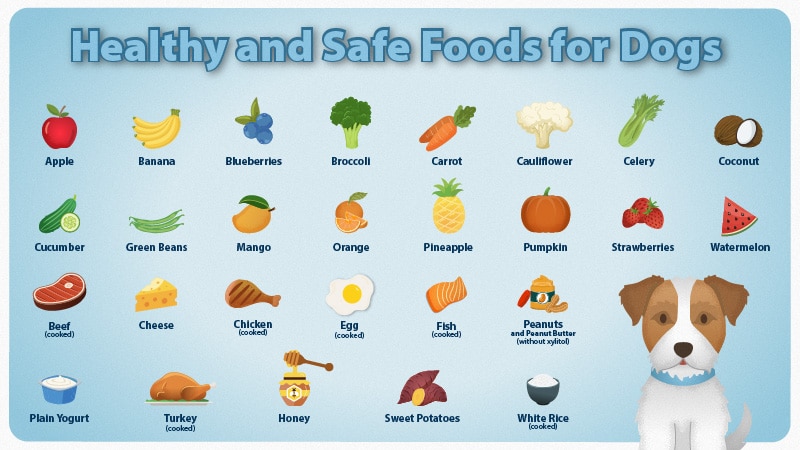
Safe Meats for Dogs
Lean, cooked meats can be a great source of protein, essential amino acids and important nutrients for dogs. Because dogs are omnivores, meat can be a healthy addition to their diet when served plain and in moderation. Always cook meats thoroughly, and avoid seasoning, oils and bones, which may cause health issues.
1. Beef (cooked)
Beef is a nutritious protein source that has all of the essential amino acids, plus vitamins and minerals. If you choose to give your dog beef, make sure it’s fully cooked to avoid any bacteria, and choose beef from grass-fed cattle if possible — it’s a better source of good fatty acids than beef from grain-fed cattle.
2. Chicken (cooked and unseasoned)
If your dog has an upset stomach, your vet may recommend a bland diet of plain, boiled chicken and white rice. If your dog is willing to eat their regular kibble, you can also serve a small amount of chicken and rice on top to encourage eating.
Chicken is easily digestible, high in protein and low in fat. Since dogs are omnivores and require a balanced diet beyond just meat, it’s best to offer this as a supplement or treat rather than a primary food source. And never give your dog chicken bones (especially cooked) — they can splinter and damage your dog’s gastrointestinal tract.
3. Fish (cooked and unseasoned)
Fish, especially salmon and sardines, is rich in protein and amino acids, while also being a good source of omega-3 fatty acids that can support your dog’s skin and coat. Sardines have an added benefit: Their small, soft bones can provide a valuable boost of calcium.
Note: Dogs can safely eat cooked fish skin, but it’s high in fat, so offer it in small amounts (or remove it if your dog has a sensitive stomach or needs a lower-fat diet). Sardines are the only fish you can leave the bones in; for all other fish, remove all the bones. Always fully cook fish and limit servings to no more than twice per week.
4. Turkey (cooked and unseasoned)
Like chicken, turkey is a good source of protein. Ground turkey is an easy, healthy option because it’s simple to cook and portion. Serve it fully cooked and unseasoned, and remove the skin, bones and excess fat before serving.
Safe Fruits for Dogs
Many fruits can be a naturally sweet, nutrient-rich treat for dogs, offering vitamins, antioxidants and hydration. However, not all parts of fruit are safe — seeds, pits and rinds should always be removed before serving. Stick to fresh fruit and offer it in small amounts to avoid digestive upset.
5. Apples
Fresh apples are a wonderful, crunchy snack for dogs — as long as you remove the seeds. The fruit is a good source of vitamins C and K, as well as fiber, which is important for digestive health.
Vitamin K supports the immune system, assists in bone growth and promotes skin health. It helps maintain vision, too. Meanwhile, vitamin C can reduce inflammation, boost immunity and help with cardiovascular function.
6. Bananas
Bananas are a tasty treat and well-suited for older dogs who may have fewer or more sensitive teeth, since this fruit is easy to chew. Bananas have lots of health benefits, including helping to reduce blood pressure and promoting overall heart health.
The fruit is also filled with:
- Fiber (aids in digestion)
- Folate/vitamin B9 (contributes to healthy cell growth)
- Lectin (improves blood sugar and intestinal health)
- Potassium (helps with fluid balance and kidneys)
- Tryptophan (an essential amino acid for regulating the sleep-wake cycle, appetite, mood and pain)
- Vitamin C (immune booster)
7. Blueberries
Blueberries (or deep-purple berries, depending on who you ask) are a tasty treat for humans and dogs alike. They are a rich source of vitamins and antioxidants — like vitamins C and K and anthocyanins, which may reduce the likelihood of diseases, disorders and age-related issues.
8. Coconuts
Coconut can be a healthy treat in moderation, thanks to nutrients like lauric acid and antioxidants that may support skin and coat health. The flesh, oil, water and milk can all be safe in small amounts. That said, coconut is high in fat and calories. Too much can cause digestive upset, diarrhea or even pancreatitis in some dogs. Always remove the hard shell, and feed a dog only plain, unsweetened coconut products that have no additives or artificial sweeteners.
9. Mangoes
Don’t keep this delicious tropical fruit to yourself — it’s high in fiber and vitamins A, B6, C and E, making it a fantastic sweet treat for dogs, too. Always remove the pit and peel, as both could make your dog sick. Additionally, too much mango could cause stomach issues, so this is another item on the list to give in moderation.
10. Oranges
This juicy citrus fruit is packed with vitamin C, fiber and potassium, making it a refreshing and healthy treat for many pups. Some dogs love the sweet taste, while others may turn their nose up at the strong, zesty smell, so let your pup try a small amount first to see how they react.
Oranges are naturally high in sugar and acidity, which means, like the other fruits on this list, they’re best served sparingly. Too much can lead to stomach upset, and dogs with diabetes or weight concerns may need to avoid them altogether. Always remove the peel and seeds before offering your dog a few small pieces.
11. Pineapples
Fresh pineapple can be a delicious tropical treat for dogs when served properly. It contains vitamins, antioxidants, fiber and bromelain, a natural enzyme that may help support digestion. Before sharing pineapple with your pup, remove the tough outer skin and hard core, which can be difficult to digest and may pose a choking hazard. Because pineapple is high in natural sugar, it should only be offered occasionally and in small portions to avoid digestive upset.
12. Pumpkin
Pumpkin is a fantastic supplement to any dog’s diet: It’s rich in nutritional value (vitamins A, C and E, plus minerals like iron and potassium) and has high soluble fiber content, making it great for your dog’s digestion and helping with tummy issues like diarrhea or constipation. It’s high in prebiotics, too, which support the digestive tract.
Pumpkin is low in calories and can be an excellent addition to your dog’s regular diet. If you are buying your dog canned pumpkin, make sure it is pure pumpkin — not pumpkin pie filling with dangerous-for-dogs additives.
13. Strawberries
Strawberries are a safe, healthy, low-calorie treat for dogs when given in moderation. They’re loaded with fiber, antioxidants and vitamin C, and they even contain an enzyme that may help naturally whiten your dog’s teeth. As with most fruit, too much can cause digestive upset or diarrhea, so start with a small amount. Tip: Frozen berries make for a refreshing treat, too.
Always wash strawberries thoroughly, remove the stems and leaves, and cut them into small pieces to help prevent choking. Strawberries are already high in sugar, so you’ll want to avoid canned strawberries or strawberries in syrup, as these have even more sugar added.
14. Watermelon
Anyone who has taken a bite of a watermelon and immediately felt the juices running down their chin knows that the fruit is a delicious way to stay hydrated in the summer. It’s also a good source of vitamins A, C and B6. Remove the seeds and rind before giving watermelon to your dog.
Safe Vegetables for Dogs
Vegetables can provide fiber, vitamins and low-calorie crunch, making them a healthy snack option for many dogs. Some veggies are easier to digest when cooked, while others can be served raw in small, bite-sized pieces. As with all human foods, keep vegetables plain and unseasoned to ensure they’re safe for your pup.
15. Broccoli
Broccoli is rich in fiber, antioxidants and nutrients like vitamins C and K, which support overall health, and can be a good low-calorie snack for pups who need to drop a few pounds. Some dogs even enjoy the crunchy texture of raw broccoli florets.
Because of a naturally occurring compound in broccoli called isothiocyanates, too much of the veggie can cause gas, bloating or stomach discomfort. To make it easier to digest, serve broccoli in bite-sized pieces, either raw or lightly steamed, without butter, oils or seasoning.
16. Carrots
Carrots can be a great treat for dogs. The crunchy texture can help remove plaque from their teeth, and this orange root vegetable is also a good source of vitamin A.
Cold or frozen carrots can also be helpful for teething puppies, giving them something to chew on and easing discomfort. However, carrots can be a choking hazard for young dogs, so it’s important to cut them into small, manageable pieces to avoid any problems.
17. Cauliflower (unseasoned)
Low in calories and packed with nutrients like fiber, antioxidants, folate, pantothenic acid, potassium, magnesium, manganese, phosphorus, choline, sulforaphane and vitamins C, K and B6, cauliflower is a great supplement to your dog’s regular diet. Despite all its benefits, cauliflower can make your dog gassy, so keep this treat restricted to small amounts. It’s safe to share with your pup raw or cooked; just make sure it’s unseasoned.
18. Celery
If you’ve got a chunky pup (no judgment — it happens to the best of us!), celery could be your dog’s next go-to treat. Celery is low in fat and a good source of fiber and vitamins A, C and K. It’s also packed with folate, potassium and manganese, which promote healthy metabolism, and it may even help freshen your pet’s breath.
However, celery can be a choking hazard. Prevent any problems by chopping the veggie into bite-sized pieces, especially for smaller dogs.
19. Cucumbers
Similar to celery, cucumbers are a low-calorie, sodium- and fat-free crunchy treat that your dog may love. Like celery, this vegetable can be a choking hazard, so be sure to cut it into bite-sized pieces for your four-legged family member.
20. Green beans
Green beans are one of the best foods on this list for overweight dogs because they are low in calories and fat. This veggie is also a good source of fiber and vitamin C. You can feed your dog cooked green beans or give them frozen beans for a crunchy snack.
21. Sweet potatoes
Sweet potatoes can be a healthy, low-fat treat for dogs when served in moderation. Rich in fiber, antioxidants and vitamins like A, B6 and C, sweet potatoes can support digestion, immune health, energy levels and healthy skin, coat and vision. This orange veggie also contains important nutrients like potassium, manganese and iron, all of which support overall health and metabolism. To serve them safely, ensure your sweet potatoes are fully cooked, plain and peeled. Due to their high sugar content, sweet potatoes may not be suitable for diabetic or obese dogs.
Other Safe Foods for Dogs
In addition to meats and produce, some pantry staples like eggs, grains and dairy products can be safe for dogs in moderation. These foods can offer added protein, probiotics or easily digestible energy, depending on the option. Be mindful of added sugars, artificial sweeteners and high-fat ingredients.
22. Cheese
For many dogs, cheese is the ultimate reward — and in small amounts, it can be perfectly safe. Cheese contains protein, calcium and vitamins, and it’s a popular option for hiding medication because dogs love the taste so much.
Still, cheese is best considered an occasional treat rather than a healthy food. It’s high in fat and calories, and some dogs are sensitive to dairy, which can lead to gas, diarrhea or stomach upset. Stick to plain cheeses in small pieces, and avoid flavored or heavily processed varieties that may contain garlic, onions, herbs or other unsafe ingredients.
23. Eggs (cooked and unseasoned)
Eggs are a good source of protein and are high in many vitamins, including vitamins A, B, D and K. They also contain important nutrients, including selenium and zinc. Eggs have some calcium, but most of the calcium is found in the eggshell, so the egg itself isn’t a significant calcium source unless the shell is properly prepared and safely ground. Make sure to cook eggs well, since raw eggs can contain salmonella. Your dog may enjoy scrambled eggs or a hard-boiled egg as a complement to their regular diet.
24. Greek yogurt (plain)
Plain, unsweetened Greek yogurt can be a healthy treat for most dogs when given in moderation. It’s high in protein, calcium and probiotics, which can support digestive and gut health, and it typically contains less lactose than regular yogurt, making it easier for many dogs to tolerate. Always choose plain Greek yogurt without added sugars, artificial sweeteners or flavoring, and carefully check labels to ensure it does not contain the artificial sweetener xylitol.
25. Honey
In small amounts, honey is safe for most healthy adult dogs. It contains antioxidants, vitamins and minerals. The antimicrobial properties of certain varieties, like manuka honey, may even help support wound healing. Because honey is high in sugar and calories, it should be given only occasionally and in moderation. Raw (unpasteurized) honey should be avoided for puppies under a year old and dogs with weakened immune systems, as it can contain bacteria that may cause serious illness.
26. Peanuts (unsalted) and peanut butter
As long as they are unsalted, peanuts are a safe nut for dogs to eat. But while they contain good fats and protein, too much fat can lead to issues like weight gain or pancreatitis — so once again, only give peanuts to your dog in moderation. Peanut butter also has the added benefits of vitamins B and E, as well as fiber, all of which are good for cardiovascular and digestive health. Just make sure that the peanut butter doesn’t contain xylitol, a sugar substitute that is toxic to dogs.
27. White rice (cooked)
Cooked white rice is often recommended for dogs needing a bland diet for a few days. It’s easy to digest and helps firm up stool. Since rice can cause a spike in blood sugar, dogs with diabetes should eat only small amounts. Your vet can help you determine how much rice, if any, your dog should consume.
Guidelines for Feeding Human Food to Dogs
While the foods on this list were selected due to their health benefits, some can still cause digestive upset or may be toxic if not handled properly. Knowing which foods are safe, how to prepare them and how much to serve can help you provide a treat for your pup without jeopardizing their health.
Here are a few important tips to keep in mind:
- Introduce new foods one at a time, starting with a small portion, so you can monitor your dog for any stomach upset or signs of an allergic reaction.
- Stick to dog-safe foods like lean proteins, plain fruits and vegetables, and healthy fats, and avoid foods that are toxic to dogs such as chocolate, grapes, onions, garlic, the artificial sweetener xylitol and alcohol.
- Keep portions modest, as treats and human foods should make up no more than 10% of your dog’s daily calories.
- Serve foods plain and unseasoned, without added salt, sugar, butter, oils or spices.
- Remove hazards like bones, pits, seeds, shells and peels that could cause choking or intestinal blockages.
- Cook meats, eggs and certain vegetables thoroughly to reduce the chance of bacteria or digestive issues.
- Pay attention to your dog’s size, age, health conditions and sensitivities, since some foods may not be appropriate for every dog.
- When in doubt, check with your veterinarian before introducing a new food, especially if your dog has allergies, digestive issues or diabetes or is prone to pancreatitis.
What to Do If Your Dog Eats Unsafe Human Food
If your dog eats a food that may be unsafe or toxic, contact your veterinarian right away. Symptoms like vomiting, diarrhea, lethargy, tremors, excessive drooling or difficulty breathing may indicate a serious reaction and should never be ignored. If you can’t reach your regular veterinarian, contact an emergency animal hospital or pet poison hotline immediately.
Even safe human foods should only be given in small portions, as too many treats can upset your dog’s stomach or contribute to weight gain.
Healthy Treats Can Be Good for Dogs in Moderation
Ultimately, many human foods can be a healthy and enjoyable addition to your dog’s diet when served safely and in moderation. From lean proteins and fresh produce to probiotic-rich snacks, these whole foods can offer nutritional and digestive benefits while adding variety to your pup’s routine. When introducing any new food, start slowly, pay attention to how your dog reacts, and consult your veterinarian if you have any questions or concerns.
CareCredit Credit Card Financing for Dogs
Taking good care of your pet’s well-being from nose to tail is essential. Make sure to stay up to date on their regular checkups at the vet to help keep your pet happy and healthy for a lifetime of love. You can use your CareCredit credit card for pet care throughout the year for routine veterinary services as well as emergencies and surgeries.* Use our Acceptance Locator to find a veterinarian near you that accepts CareCredit.
CareCredit is there for you and your pet every step of the way; continue your wellness journey by downloading the CareCredit Mobile App to manage your account, find a provider on the go, and easily access the Well U blog for more great articles, podcasts and videos.
In addition to pet care, you can also use your CareCredit credit card for dentistry, cosmetic, vision, hearing, health systems, dermatology, pharmacy purchases, spa treatments and so much more within the CareCredit network. How will you invest in your health and wellness next?
Expert Reviewer
Dr. Kathy Wiederkehr (Wentworth), V.M.D.
Dr. Kathy Wiederkehr (Wentworth) has been practicing veterinary medicine at pet care facilities in California since 2001. Most recently, she served as medical director of the VCA PetPoint Medical Center and Resort in Irvine. She is a graduate of the University of Pennsylvania School of Veterinary Medicine and became board-certified as a diplomate in Canine and Feline Practice by the American Board of Veterinary Practitioners in 2010.
Author Bio
Abbie Mood is a freelance writer with more than 15 years of experience. She has worked with clients of all sizes to create compelling content and has written for the American Kennel Club, Marriott Bonvoy, Women’s Health Online, Headspace and more.

Related Tags
Want to share this on social media?






 ARTICLE