 Search


Key Takeaways
- The national average cost of a facial can range from $35 for a European facial to $2,698 for a deep chemical peel, depending on the type of facial, your location and other factors.
- Pricing varies by the type of facial, provider expertise, number of sessions and any add-ons, such as extractions, serums or combination treatments.
- The CareCredit credit card can help you finance a facial and pay over time with convenient monthly payments.*
Skin conditions like acne, dryness, fine lines, sun damage and age spots can affect how you look and feel at any age.
Whether you're hoping for healthier, clearer and younger-looking skin, or you just want to relax and be pampered, a spa facial can be a worthwhile investment in both your appearance and well-being. Read on to discover the different types of facials and how much they cost.
What Is a Spa Facial?
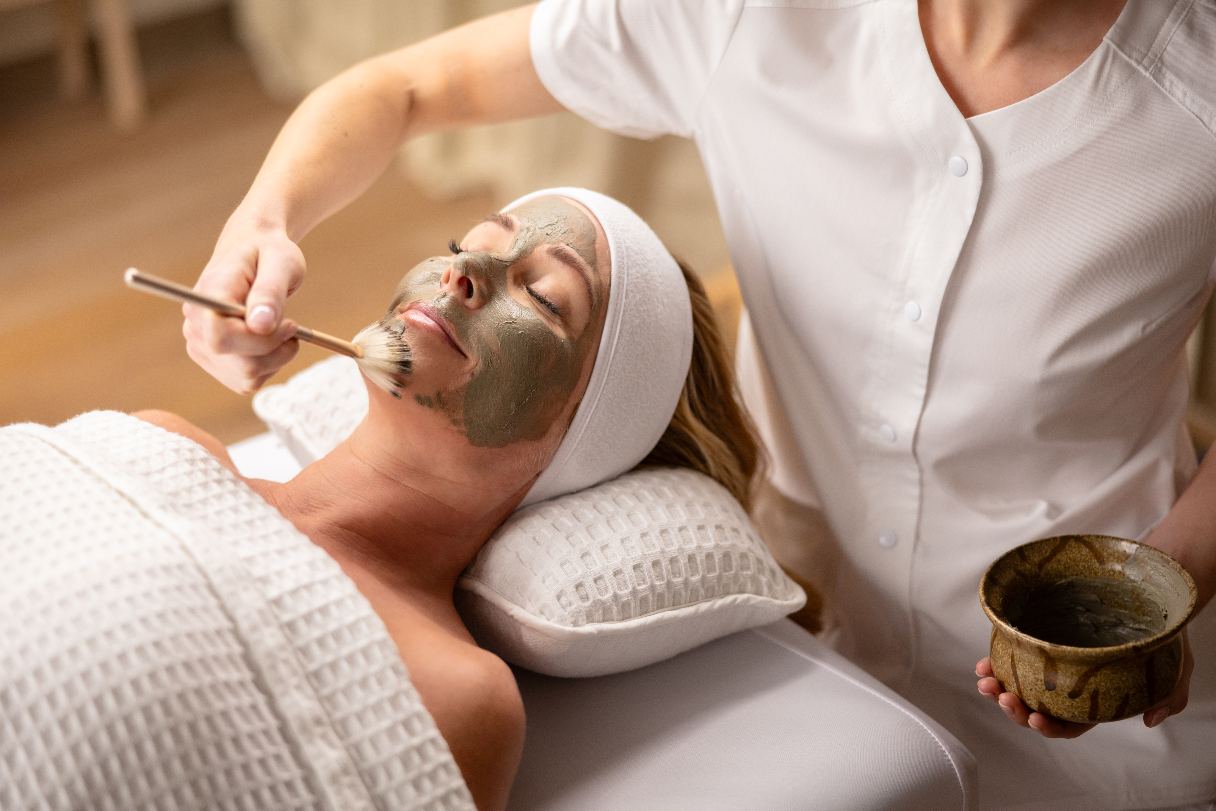
Spa facials are multistep skin treatments that can be customized to address individual skin concerns. When performed by a trained esthetician, a spa facial may involve an evaluation of your skin, followed by steps such as cleansing, exfoliation, extractions and hydration.1
Depending on your skin type and goals, an esthetician may recommend a classic facial or a more specialized treatment. The treatments may address a variety of skin concerns, such as dry or oily skin, clogged pores, hyperpigmentation, acne scars, fine lines and more.1
Types of Spa Facials
There are several types of facials, depending on your goals and skin issues. We've outlined some common facials below:
| Type | Description |
|---|---|
| Acupuncture facial | Small needles are placed into the skin to promote circulation and boost collagen production. You may need multiple treatments to achieve desired result.2 |
| Chemical peel | A special solution removes the outer layers of skin to reveal fresh skin underneath. Peels can be mild, moderate or deep.3 |
| Dermaplaning | A sharp blade is used to scrape away dead skin cells, dirt and hair from the face. Serum and moisturizer are then applied to the exfoliated skin.4 |
| European (classic) facial | Skin is analyzed, cleansed, exfoliated, steamed and moisturized. It also includes a specialized mask treatment and relaxing facial massage.5 |
| Hydradermabrasion treatment | Water and serum are used to cleanse, exfoliate and hydrate.1 It's a gentle option for dry or sensitive skin.6 |
| LED light facial, blue light therapy | A special blue light is applied to the skin to kill acne-causing bacteria and reduce inflammation. Typically requires several short sessions.7 |
| LED light facial, red light therapy | A red light penetrates the outer layer of skin to stimulate skin healing and tissue growth. This treatment typically requires several short sessions.7 |
| Microdermabrasion | A handheld device is used to gently remove the uppermost layer of the skin and reveal the fresh skin underneath.1 |
| Microneedling, traditional | A device uses tiny needles to create micro-injuries to the skin, promoting collagen production and helping the skin absorb serums and moisturizers.8 |
| Microneedling, radiofrequency (RF) | Tiny needles and radiofrequency heat are used to boost collagen, improving skin texture, firmness, wrinkles, acne scars and loose skin.8 |
| Oxygen facial | After cleansing, a high-pressurized stream of oxygen is applied using a special device. It's followed by a serum or moisturizer.9 |
| PRP vampire facial | This combines microneedling with a platelet-rich plasma (PRP) derived from your own blood to rejuvenate the skin and stimulate collagen production.10 |
How Much Does a Facial Cost?
The national average cost** of a facial varies depending on the type of treatment you choose, ranging from $35 for a European facial to $2,698 for a deep chemical peel.6
The total cost of a facial can be affected by several factors, including:6
- Any add-on services
- Expertise of the esthetician/practitioner
- Geographic location of the facility
- Number of treatments needed to achieve desired results
- Whether a physician or dermatologist is supervising the facility
Average cost of a facial by type of treatment
Here are the average costs** of facials by type:6
| Type of facial | Average cost |
|---|---|
| Acupuncture facial | $100 to $300 per treatment2 |
| Chemical peel, light | $230 per treatment |
| Chemical peel, medium | $660 per treatment |
| Chemical peel, deep | $2,698 per treatment |
| Dermaplaning | $75 to $2004 |
| European (classic) facial | $75 to $15011 |
| Hydradermabrasion | $220 per treatment |
| LED light facial, blue light therapy | $61 per treatment |
| LED light facial, red light therapy | $54 per treatment |
| Microdermabrasion, crystal treatment | $185 per treatment area |
| Microdermabrasion, diamond-tip treatment | $150 per treatment area |
| Microneedling, RF | $938 per treatment |
| Microneedling, traditional | $300 per treatment8 |
| Oxygen facial | $75 to $1509 |
| PRP vampire facial | $650 to $1,200 per session10 |
Does Insurance Cover Spa Facials?
Elective, cosmetic or spa treatments like facials or facial fillers are not typically covered by health insurance plans. Your insurance may cover a visit to your dermatologist to treat conditions such as acne, psoriasis, skin allergies or a rash. However, if your doctor recommends a facial treatment such as microdermabrasion or a chemical peel, it might not be covered by your insurance.12 It's a good idea to check with your insurance provider.
How Can You Pay for a Spa Facial?
There are several ways to pay for a spa facial, depending on what your provider offers and your budget. Some pay up front with cash, check or a credit/debit card. Others may choose a payment plan offered through the practice.
If you'd prefer to pay over time, the CareCredit credit card is another option many patients use for out-of-pocket health and wellness services. If approved, you can make monthly payments (with promotional financing options where available). Promotional financing options vary, so review the details and ask the office whether they accept CareCredit before deciding.
How Does a Spa Facial Work?
After cleansing your skin to properly evaluate it, your esthetician will perform a variety of steps. These may include:11
- Exfoliation
- Extractions to remove acne (if needed)
- A facial massage
- A mask application to help with acne or dryness
- The application of toner, serums and moisturizer to protect and nourish the skin
Acupuncture facial
This type of facial uses techniques from traditional Chinese medicine. During an acupuncture facial, small needles are placed directly into the skin of the face to help increase circulation and smoothness and help with puffiness. Similar to microneedling, the procedure causes micro injuries to the skin to increase collagen production and improve the firmness of the skin. You may need several treatments before to achieve noticeable results.2
Chemical peel
With a chemical peel, the esthetician will cleanse your face and then apply different types of acids to your skin to exfoliate it.3 Peels can be light, medium or deep depending on the skin concern. A light peel provides light exfoliation. A medium peel penetrates deeper into the skin to treat wrinkles, acne scars and sun damage. A deep peel goes more deeply into the skin to address more severe wrinkles, sun damage and scars.6
Note that deep chemical peels may involve anesthesia and facility fees. Recovery time is longer, but results are more dramatic and longer-lasting.6
Dermaplaning
Dermaplaning involves the use of a scalpel or other sharp blade to remove dead skin cells, dirt and hair from the skin of the face. The provider holds the blade against the skin to exfoliate it and allow it to properly absorb the moisturizers and serums they apply.4
Sometimes dermaplaning is combined with a chemical peel or other type of facial.6
European facial
With a European, or classic, facial, your esthetician will cleanse the face before exfoliating it and apply steam to the skin to open up the pores. After the steaming process, they will extract any blackheads or whiteheads from the skin before applying a face mask. After the mask is removed, the skin is soothed with a calming moisturizer.11
Hydradermabrasion
Hydradermabrasion uses a specialized wand to gently exfoliate, remove impurities and infuse the skin with hydrating solutions.1
The water and serums used with hydradermabrasion may provide a gentle alternative to the crystals or diamond tips used with microdermabrasion, making it ideal for people with sensitive or dry skin.6
LED Light Facial
LED light facials use light-emitting diodes (LEDs) to deliver specific wavelengths to the skin for short periods to stimulate skin healing and tissue growth, as well as reduce inflammation and kill bacteria.7
The most commonly used wavelengths are blue light and red light.7 Blue light therapy can treat skin conditions like acne, while red light therapy can help to reduce the appearance of wrinkles and improve skin tone.6
Microdermabrasion
Microdermabrasion gives your skin a thorough exfoliation with the use of a handheld device that features either tiny crystals or a diamond tip.6 After cleansing your face, your esthetician will use the device to gently remove the uppermost layer of skin, smoothing your skin's texture.1
This type of facial can help with conditions like acne scarring, age spots, hyperpigmentation and enlarged pores.1
Microneedling
Traditional microneedling involves the use of a specialized device with fine needles to create micro-injuries to the skin of the face, prompting the skin's natural repair process. These micro-injuries stimulate collagen and elastin production, which can help with acne scarring, fine lines and wrinkles.8
RF microneedling adds radiofrequency energy to the traditional microneedling procedure. This energy delivers heat through the needles to reach deeper and help improve the texture and firmness of the skin.6
Oxygen facial
An oxygen facial can help brighten and moisturize your skin. After your esthetician cleanses and exfoliates your skin, they use a special device to deliver a high-pressurized stream of oxygen onto the skin. Your provider will then apply a serum like hyaluronic acid to the skin to keep it plump and moisturized.9
PRP vampire facial
The PRP vampire facial doesn't actually involve vampires but does involve the extraction of your own blood by your dermatologist or plastic surgeon. The treatment uses a microneedling technique to deliver platelet-rich plasma (PRP) from your blood into microchannels in the skin, which can support collagen production and skin rejuvenation.10
How Much Should You Tip for a Spa Facial?
For spa services, a tip of 10% to 20% of the total cost is generally standard. Of course, if you love your facial, feel free to tip more.13
How Often May You Need a Facial?
How often you go in for a professional spa facial depends on the type of facial you choose. Your provider can recommend how often you need a facial based on your skin type and the condition of your skin.
What Do You Talk About During a Facial?
During your facial, take the opportunity to ask your aesthetician about your skin and ways you can care for it. They can recommend products suited to your skin and offer guidance on which types of facials you might consider and how often you may want to get them. It helps to understand what your esthetician will be doing, what products will work best for your skin type and any aftercare you'll need.
Here are examples of the kinds of questions you may want to ask:
- Are there any potential allergens in the products you will use?
- Are there other facial treatments that I could receive at the same time?
- Can I apply makeup right after my facial?
- Do I need to wear sunscreen after my facial?
- How long will this facial take?
- Is there anything I should avoid after my treatment (e.g., cleansing, exfoliating)?
- What do you recommend for my specific skin concerns (e.g., acne marks, age spots, fine lines)?
- What is the total price for my facial and any add-on services?
- What products are used in this type of facial?
Financing Spa Facials With the CareCredit Credit Card
When getting spa facials or another cosmetic procedure, the CareCredit credit card can help you pay for costs not covered by insurance.* Use our Acceptance Locator to find a doctor or cosmetic specialist near you that accepts CareCredit. Continue your wellness journey by downloading the CareCredit Mobile App to manage your CareCredit account, find a provider on the go and easily access the Well U blog for more great articles, podcasts and videos.
In addition to cosmetic procedures, you can also use your CareCredit credit card for dentistry, pet care, vision, hearing, health systems, dermatology, pharmacy purchases, spa treatments and so much more within the CareCredit network. How will you invest in your health and wellness next?
Author Bio
Susan Paretts is a freelance writer with more than 18 years of experience covering health and wellness, pet care and more. Her work has been published by the American Kennel Club, Bayer Animal Health, Elanco, LIVESTRONG.com, The San Francisco Chronicle, Chewy and more.

Related Tags
Want to share this on social media?






 ARTICLE