
 Search
How Veterinary Practices Can Improve the Pet Care Experience
Discover how comfort-first care and pet consent can transform the veterinary experience by reducing stress and improving cooperation for patients and strengthening trust between veterinary teams and pet owners.
By Angela Beal, D.V.M.
Veterinarian
Sep 04, 2026 - 6 min read



Key Takeaways
- Comfort-first care and pet consent can reduce fear, improve patient cooperation and help enhance the overall client and patient experience.
- Clear, empathetic communication can help pet owners feel informed and supported, strengthening trust and ensuring adherence to care recommendations.
- The CareCredit credit card is a flexible financing option that can help pet owners manage treatment costs while also allowing veterinary practices to get paid within two business days.
In today’s competitive veterinary landscape, creating a positive client experience is equally important as delivering high-quality health and wellness care. Pet owners increasingly expect veterinary visits to be low-stress and tailored to their pet’s physical and emotional well-being.
By embracing pet consent and comfort-first principles, veterinary practices can help reduce patient anxiety, improve patient cooperation and create a more positive experience for pet owners. Implementing these approaches in your practice signals a commitment to patient welfare and quality of care, building trust and strengthening client relationships.
Prioritizing Pet Consent to Enhance the Patient Experience
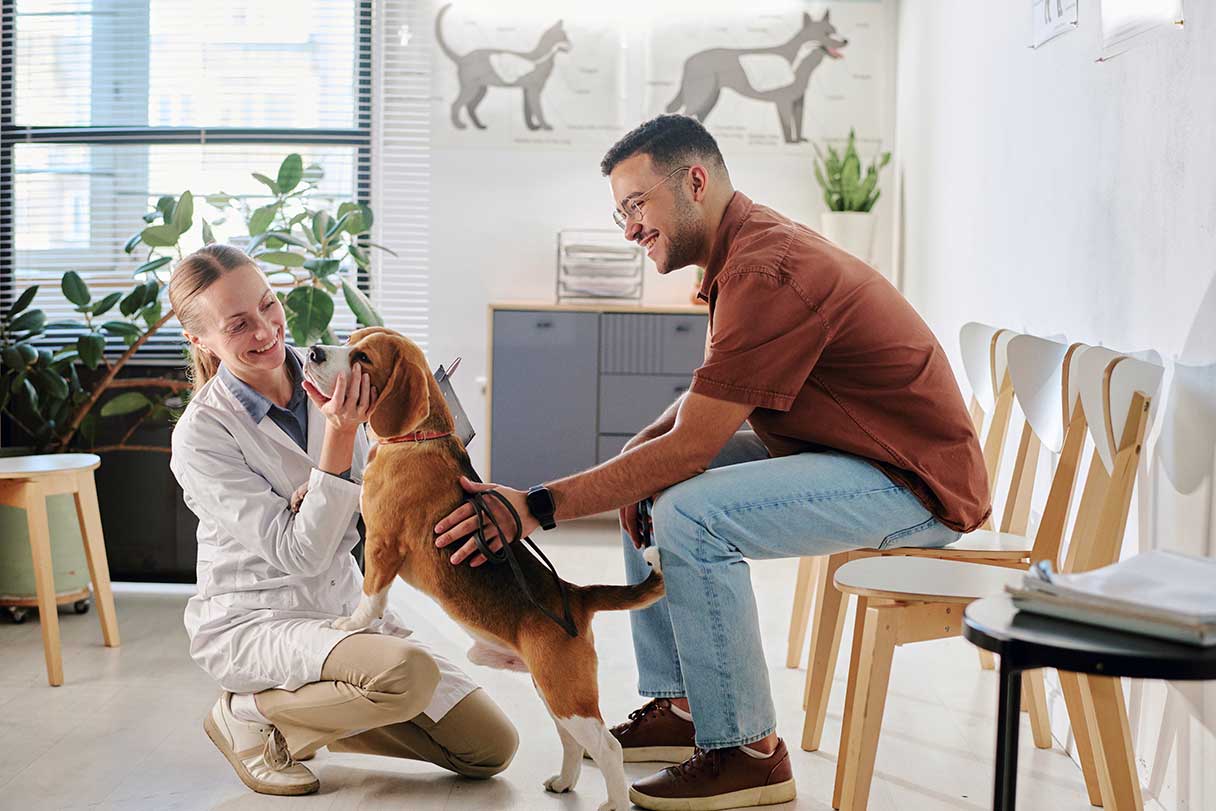
Pet consent is an emerging concept in the veterinary field that recognizes the patient’s comfort as an integral part of effective care delivery. While animals can’t provide verbal consent, the concept centers on recognizing and responding to a patient’s body language, emotional state and willingness to participate in care. Pet consent encourages veterinary teams to consider the patient’s experience throughout every stage of a visit, not just during the care delivery or procedure itself.
Understanding pet consent and its role in care
By pausing to recognize and assess signs of stress among patients, veterinary professionals can modify their approach before fear escalates. This approach not only helps reduce anxiety and resistance to care but can also foster improved trust with patients and pet parents.
Patients who have positive experiences during veterinary visits are often easier to examine and treat at future appointments, which can improve efficiency and patient outcomes. As client communication in veterinary medicine continues to evolve, practices that embrace pet consent and comfort-first care may appeal more to pet parents and thereby distinguish themselves from competitors.
Practical Tips for Implementing Pet Consent
Small, intentional changes in how veterinary teams interact with patients can improve comfort, reduce fear and enhance the overall patient and client experience.
Several tips for implementing pet consent include:
- Ensure consistent stress recognition. Confirm all team members can promptly identify common fear, anxiety and stress signals (e.g., tucked tail, lip licking, yawning, trembling, lowered posture, pinned ears, avoidance behaviors, escape attempts).
- “Ask permission” before proceeding. Give patients time to explore the exam room, approach team members voluntarily and settle into their environment before you initiate the exam or procedures.
- Adapt handling in real time. If a patient shows escalating stress, modify your approach: Change positioning, lighten restraint, offer a brief break, move to a quieter area or adjust the exam sequence.
- Reinforce cooperation. Use high-value rewards (treats, praise, toys or preferred touch such as chin scratches) to support calm participation.
- Partner with pet parents. Encourage clients to apply the same consent-based care at home for routine care (grooming, medication, handling exercises and training), reinforcing what the pet learns in-clinic.
Creating a Comfort-First Environment in the Veterinary Practice
In addition to patient handling techniques, a comfort-first approach should extend to the physical environment in which care is delivered. By thoughtfully designing spaces and providing amenities that reduce fear and anxiety, veterinary practices can help patients and their owners feel more at ease from the moment they arrive.
Environmental enhancements to reduce stress
The veterinary environment can have a significant impact on a patient’s comfort level and behavior during a visit. It can also build client confidence by demonstrating a commitment to the patient’s emotional well-being.
Consider incorporating the following environmental enhancements:
- Play soft, calming background music to create a relaxing atmosphere and minimize sudden or loud noises whenever possible.
- Design spaces with your patients’ sensory needs in mind, considering how factors such as odors, sounds, visual stimuli and room layout may affect their comfort.
- Designate species-specific waiting areas or entrances, or schedule cat-/dog-only appointment blocks to help reduce anxiety and limit stressful patient-to-patient interactions.
- Offer less popular, quieter appointment times — such as first thing in the morning — for anxious or reactive pets.
- Use species-specific pheromone products to help create a sense of familiarity and security in the veterinary environment.
Tools and amenities that support comfort-first care
Certain tools and amenities used during veterinary visits can play an important role in reducing fear, anxiety and stress. Some suggestions:
- Use gentle restraint tools and adjustable exam tables to help minimize discomfort and accommodate patients of different sizes and mobility levels.
- Install nonslip mats in exam rooms, hallways and treatment areas to help patients feel more stable during visits.
- Offer treats before, during and after exams and procedures to help create more positive associations.
- Take a few moments to play with a patient’s favorite toy to build rapport and reduce anxiety.
- Ensure exam rooms and treatment areas have adequate but comfortable lighting that isn’t too harsh.
For those interested in formal education on low-stress handling and comfort-first care, Fear Free® veterinary care provides comprehensive training for all members of the veterinary team.
Improving the Client Experience With Flexible Financing and Customer Service
A positive veterinary experience depends not only on how a patient is treated but also on compassionate customer service and flexible financing options that help pet parents feel informed and supported throughout their pet’s health and wellness journey.
Communication strategies that may build confidence and trust
Clear, empathetic conversations that address concerns while also explaining comfort-first and consent-based care can help clients understand how their pet’s emotional and physical well-being are prioritized.
Provide information before visits to help set expectations, such as what to bring, how appointments typically flow, what pet parents can do to prepare for a visit and how patient comfort will be addressed during the visit.
Educating clients on basic pet body language can also help them understand how veterinary teams recognize and respond to signs of stress or discomfort, further strengthening trust in the care process.
Follow-up communication and personalized care plans may further reinforce trust. Checking in after visits, answering questions and tailoring recommendations to each patient’s needs demonstrate an ongoing commitment to health and wellness outcomes and the client experience.
Flexible financing for veterinary visits
Financial concerns can be a major source of stress for pet parents, especially when unexpected illnesses or injuries occur. Offering solutions like CareCredit for veterinary services can help reduce this burden and enable clients to move forward with recommended care without delay.
Integrating flexible financing options can also help create a more supportive client experience. Comfort-first care may help improve how patients feel during visits, while accessible payment solutions may help improve how clients feel about pursuing care. When financial stress is reduced and invoices are clear, conversations between veterinary teams and pet parents can stay centered on treatment decisions, quality of life and the best possible outcome for the patient.
Bringing Comfort-First Care to Every Visit
Comfort-first care and pet consent can help transform the veterinary experience for both patients and their owners. By recognizing signs of stress, adapting handling techniques and creating a more supportive environment, practices can reduce fear and improve cooperation during visits. Combined with clear communication and flexible financing options, these strategies help build trust, strengthen client relationships and create a more positive care experience that benefits patients, pet parents and veterinary teams alike.
Frequently Asked Questions About Improving the Pet Patient Experience
Still curious about comfort-first care and pet consent? Here are answers to some common questions.
Does comfort-first care require special certification or training?
No formal certification is required, but staff training in low-stress handling techniques and animal body language is recommended. Many continuing education programs in veterinary behavior and handling, such as the Fear Free certification program, can help teams build these skills.
How do clients typically respond when comfort-first care is introduced?
Most clients respond positively when they see their pet being handled with patience and respect. It often increases trust in the veterinary team, improves compliance with recommendations and strengthens long-term client loyalty.
Will implementing pet consent slow down appointments?
Initially, comfort-first approaches may take slightly more time as teams adjust to reading a patient’s body language and modify handling techniques accordingly. However, it often improves efficiency over time because cooperative, less fearful patients are easier to examine, handle and treat.
A Veterinary Financing Solution for Your Clinic
Looking for a way to help your clients be prepared for the lifetime cost of care that is needed for their pets? Consider accepting the CareCredit health and pet care credit card. CareCredit is a flexible financing solution that allows cardholders to pay for veterinary services over time, while you get paid within two business days.
When you accept CareCredit, you receive a custom link that allows clients to see if they prequalify with no impact to their credit score. Those who apply, if approved, can take advantage of flexible financing on qualifying purchases.* The entire process is fast and friendly, leaving you free to focus on providing the care pets need.
Learn how the CareCredit credit card can help your clients finance veterinary care, or start the provider enrollment process by filling out this form.
Author Bio
Angela Beal, D.V.M., has more than 20 years of experience as a veterinarian. Leveraging her background in private practice and academia, she uses her writing to provide veterinarians with strategies for making practice life more efficient and less stressful.

Healthcare payment and financing solution
The CareCredit health and wellness credit card helps improve the payment experience for patients and clients, and your financial performance.
Get StartedReady to help more patients and clients get the care they want and need?
Get Started
Related Content
View All
 Articles

Ready to help more patients and clients get the care they want and need?
Get Started*Subject to credit approval.
The information, opinions and recommendations expressed in the article are for informational purposes only. Information has been obtained from sources generally believed to be reliable. However, because of the possibility of human or mechanical error by our sources, or any other, Synchrony and any of its affiliates, including CareCredit (collectively, “Synchrony”), do not provide any warranty as to the accuracy, adequacy, or completeness of any information for its intended purpose or any results obtained from the use of such information. All statements and opinions in this article are the sole opinions of the author. The data presented in the article was current as of the time of writing. Please consult your individual advisors regarding any information presented.
All product, service, and company names are the trademarks of their original owners. The use of any trade name or trademark is for identification and reference only and does not imply any endorsement, sponsorship, or affiliation by or with the trademark holder of their brand.
© 2026 Synchrony Bank.